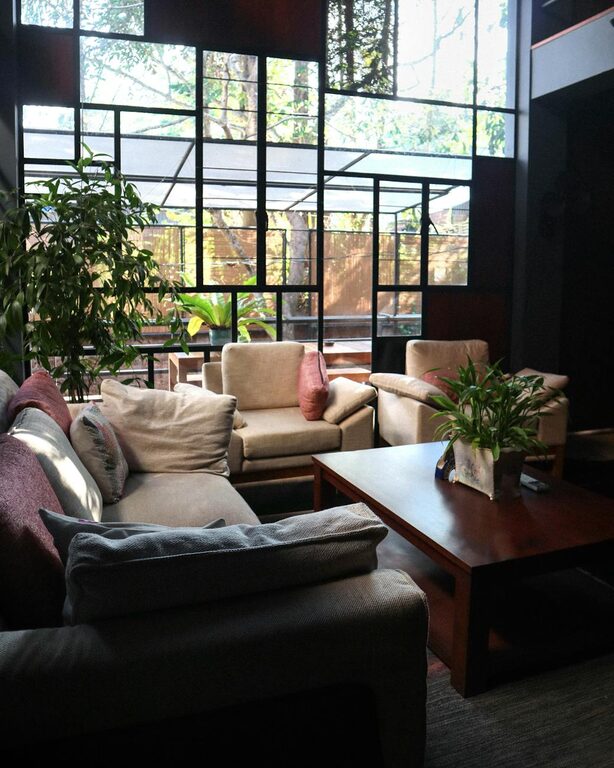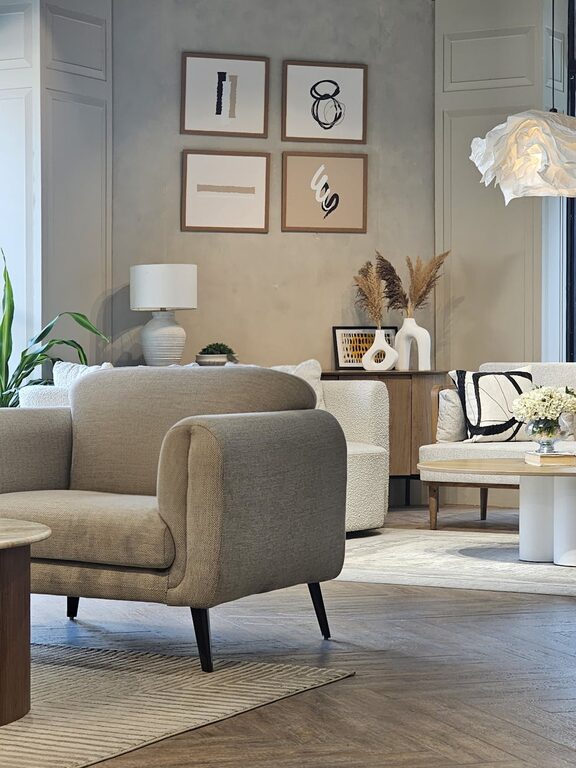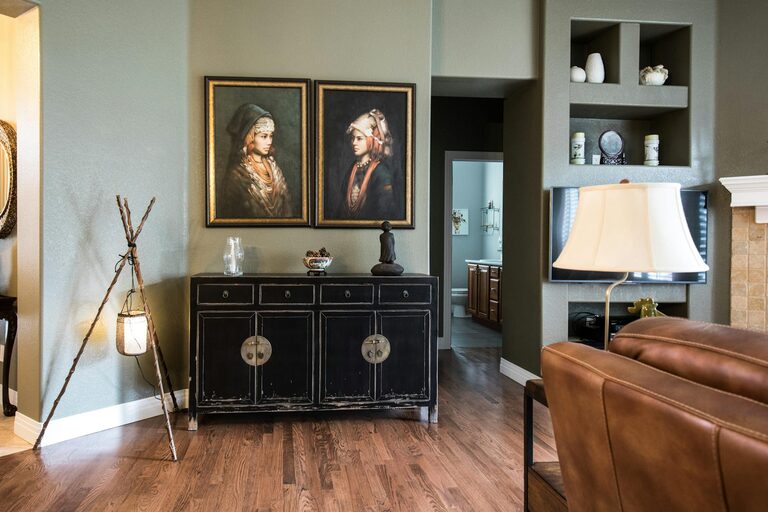
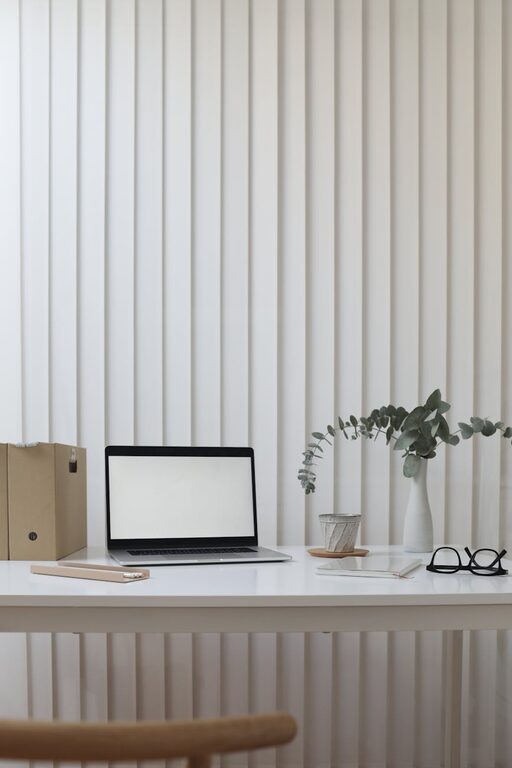
Creating a productive home office environment is essential for anyone working remotely or running a business from home. A well-organised and comfortable space can enhance focus, reduce distractions, and improve overall work satisfaction. Whether you have a dedicated room or a small corner, these simple tips will help you design an effective home office that supports your daily tasks.
Choose the Right Location
Finding the best spot for your home office is the first and most important step. Ideally, choose a space that is quiet, has plenty of natural light, and allows you to separate work from your personal life.
– Natural Light: Position your desk near a window if possible. Natural light helps reduce eye strain and improves mood.
– Minimal Distractions: Avoid busy areas like the kitchen or living room where family members often gather.
– Space for Equipment: Ensure there is enough room for your computer, printer, and other essentials.
Invest in Comfortable Furniture
Good furniture plays a vital role in your productivity and health. An uncomfortable chair or desk can cause back pain and fatigue, leading to decreased focus.
– Ergonomic Chair: Choose a chair that supports your lower back and encourages good posture.
– Adjustable Desk: If possible, use a desk that can be raised or lowered to switch between sitting and standing.
– Desk Organisers: Keep your workspace tidy with trays, holders, or drawers to store stationery and documents.
Keep it Organised and Clutter-Free
A messy desk can be distracting and hinder your ability to concentrate. Regular organisation helps maintain a clean and efficient work environment.
– Daily Declutter: Spend five minutes at the end of each day tidying your desk.
– Use Storage Solutions: Shelving units, filing cabinets, and desk organisers are practical ways to keep things in order.
– Limit Personal Items: While photos and plants add character, avoid overloading your desk to prevent clutter.
Set Up Effective Lighting
In addition to natural light, proper artificial lighting is important, especially if you work late or in a room without many windows.
– Task Lighting: Use a desk lamp to illuminate your workspace without causing glare on screens.
– Ambient Lighting: Soft overhead light creates a comfortable atmosphere without being harsh.
– Avoid Screen Glare: Arrange lighting so that it doesn’t reflect on your computer screen, minimising eye strain.
Minimise Noise and Distractions
Noise can be a significant barrier to productivity. Taking steps to control sound can improve concentration and reduce stress.
– Noise-Cancelling Headphones: These can help block out background sounds if your home is noisy.
– White Noise Machines: A gentle background noise can drown out interruptions without being distracting.
– Set Boundaries: Inform family or housemates of your working hours to reduce unexpected disturbances.
Personalise Your Space
Adding a few personal touches can make your home office more inviting without causing distractions.
– Plants: Small indoor plants improve air quality and create a calming environment.
– Artwork: Choose inspiring images or quotes to motivate you.
– Colour Scheme: Use colours you find energising or relaxing, but keep it subtle to maintain focus.
Establish a Routine
Creating a work routine helps structure your day and fosters a productive mindset.
– Regular Hours: Start and finish work at consistent times to establish a boundary between work and leisure.
– Breaks: Take short breaks every hour to stretch and avoid fatigue.
– Dedicated Work Zone: Use your home office exclusively for work to help your brain associate the space with productivity.
Utilise Technology Wisely
Technology can enhance your productivity, but misuse can also be a distraction.
– Organise Digital Files: Keep your desktop and folders tidy to quickly find important documents.
– Use Productivity Tools: Apps for time management, task lists, and communication can streamline your work.
– Limit Social Media: Switch off unnecessary notifications while working to maintain focus.
Take Care of Your Wellbeing
Physical and mental health impact your ability to work efficiently, so it’s important to take care of yourself.
– Exercise: Incorporate some form of physical activity into your daily routine.
– Hydrate: Keep a water bottle at your desk.
– Ventilation: Ensure your workspace is well-ventilated to keep the air fresh.
—
Creating a productive home office is about combining comfort, functionality, and a bit of personal style. With these simple tips, you can develop a space that helps you stay focused and motivated every day. Remember, a well-designed environment can make a big difference in your work-from-home experience.
About the Author