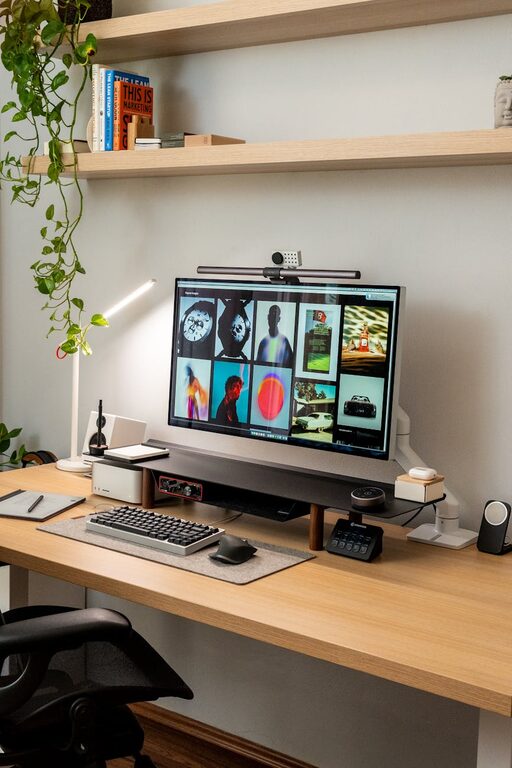
Creating a comfortable and efficient home office is essential for effective remote work or study. A well-designed space can enhance concentration, reduce stress, and improve your overall work experience. Whether you have a dedicated room or just a small corner, these tips will help you create a relaxing and productive home office that suits your needs.
Choose the Right Location
Selecting the perfect spot for your home office is the first step toward productivity. Ideally, look for a quiet area with minimal distractions and good natural light. If you don’t have an extra room, consider spaces like a bedroom corner, dining area, or even a nook under the stairs.
Factors to consider when choosing your workspace:
– Natural Light: Position your desk near a window if possible. Daylight helps improve mood and alertness.
– Noise Levels: Avoid high-traffic areas or places close to noisy appliances.
– Privacy: Ensure the space offers some separation from household activities.
Invest in Ergonomic Furniture
Comfortable furniture supports good posture and helps prevent fatigue during long working hours. An ergonomic chair and desk can make a significant difference in your productivity and physical well-being.
Tips for choosing ergonomic furniture:
– Chair: Look for adjustable height, lumbar support, and cushioned seating.
– Desk: Choose a desk at elbow height when sitting; consider a standing desk if you prefer to alternate positions.
– Accessories: Use keyboard trays, monitor stands, or footrests to improve ergonomics.
Keep Your Space Organised
A tidy workspace reduces distractions and makes it easier to focus on tasks. Clutter can lead to stress and decrease efficiency, so having a system to keep things organised is vital.
Ways to maintain organisation:
– Storage Solutions: Use shelves, filing cabinets, or drawers to store paperwork and supplies.
– Desk Organisers: Keep pens, stationery, and gadgets neatly arranged.
– Declutter Regularly: Spend a few minutes each day clearing your desk and putting things away.
Create a Calming Atmosphere
Incorporating elements that promote relaxation can help reduce stress and increase concentration. Your home office should feel inviting and comfortable.
Ideas to create a soothing environment:
– Colours: Use soft and neutral tones such as blues, greens, or pastels.
– Plants: Adding greenery can improve air quality and bring a touch of nature indoors.
– Lighting: Combine natural light with adjustable lamps to prevent eye strain.
– Personal Touches: Include a favourite photo, artwork, or inspirational items that motivate you.
Minimise Distractions
Distractions can interrupt your workflow and reduce productivity. Creating boundaries and controlling your environment helps maintain focus.
Strategies to reduce distractions:
– Set Boundaries: Inform family members or housemates about your working hours.
– Turn Off Notifications: Keep phone notifications and non-essential alerts muted during work periods.
– Use Noise-Cancelling Headphones: These can block out background noise if you cannot control the environment.
Plan Your Daily Routine
Having a routine supports productivity and well-being. Set specific work hours and take regular breaks to avoid burnout.
Useful tips for your routine:
– Start with Priorities: Write a to-do list and tackle important tasks first.
– Take Breaks: Follow techniques like the Pomodoro method (25 minutes work, 5 minutes rest).
– Move Around: Stand up, stretch, or take short walks to re-energise your mind and body.
Use Technology Wisely
Make sure your office is equipped with the necessary technology to work efficiently but avoid technology overload.
Recommendations:
– Reliable Internet: Ensure your connection is fast and stable.
– Organised Cables: Use cable organisers to keep cords tidy and safe.
– Appropriate Tools: Utilise apps or software that help with time management, task tracking, or communication.
Maintain Work-Life Balance
It’s easy to blur the lines between work and personal life when working from home. Establishing clear boundaries helps maintain balance and protects your mental health.
How to maintain balance:
– Separate Workspace: Use your office space only for work to mentally switch off when leaving.
– Set Finish Times: Define when your workday ends and stick to it.
– Create Rituals: Engage in activities after work to signal a change, such as a walk or hobby.
—
By following these tips, you can design a home office that feels both calming and energising. Tailor your workspace to your preferences, and don’t hesitate to make changes as your needs evolve. A well-thought-out office not only boosts productivity but also supports your overall wellbeing. Happy working!
About the Author