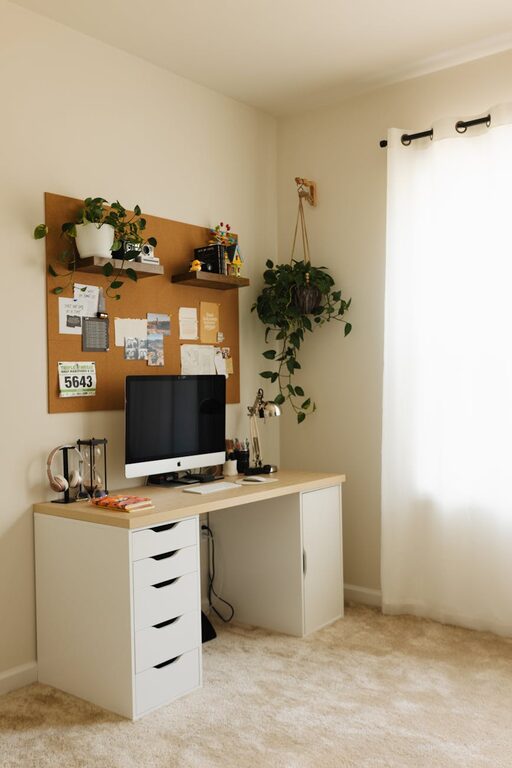
Creating a home office that promotes relaxation and productivity is essential for those who work or study from home. A well-designed environment can help reduce stress, improve focus, and make your workday more enjoyable. If you want to transform your workspace into a tranquil place, here are some helpful tips to create a relaxing home office environment.
Choose the Right Location
The first step is selecting the best spot in your home for your office. Ideally, this should be a quiet area with minimal distractions. If possible, pick a room with a door to separate your work from home life. Avoid places with heavy foot traffic or loud appliances.
Prioritise Natural Light
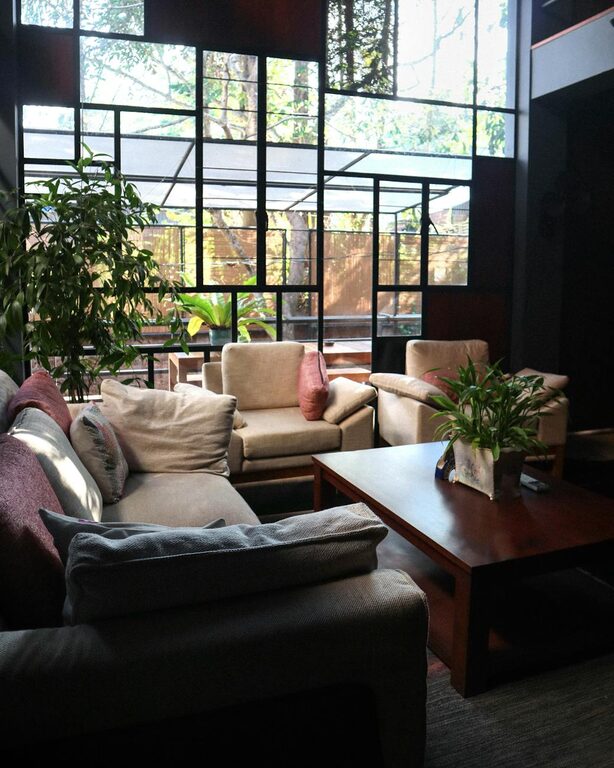
Natural light is known to boost mood and energy levels. Position your desk near a window to take advantage of daylight. If natural light is limited, consider daylight bulbs or desk lamps that mimic natural light to reduce eye strain and enhance ambience.
Opt for Comfortable and Supportive Furniture
Your chair and desk are vital components of your home office. Choose an ergonomic chair that supports your posture and helps avoid back pain. Adjustable chairs and desks can be customised to suit your height and comfort preferences.
Investing in quality furniture not only improves comfort but also contributes to a peaceful workspace.
Declutter and Organise
Clutter can be distracting and stressful. Keep your desk tidy by only having necessary items visible. Use organisers, trays, and storage solutions to keep papers, stationery, and electronic devices neatly arranged.
Regularly clear your workspace to maintain a calming atmosphere. A neat environment encourages a clear mind and better concentration.
Incorporate Calming Colours
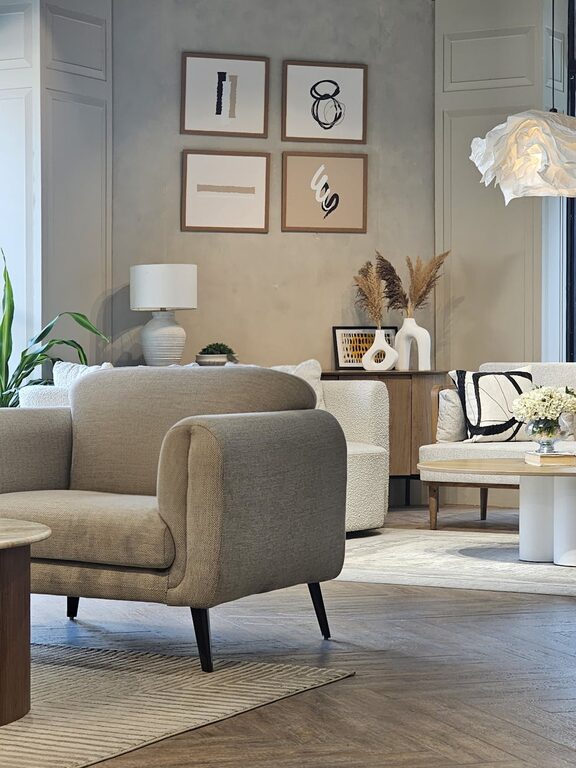
Colour affects mood, so choose soothing shades for your office walls and accessories. Soft blues, greens, and neutrals tend to create a peaceful vibe. Avoid overly bright or harsh colours that can cause visual stress.
You can apply calming colours through paint, wallpaper, or decorative items like cushions, rugs, and artwork.
Add Greenery
Plants not only improve air quality but also reduce stress and increase feelings of wellbeing. Easy-to-care-for indoor plants such as spider plants, succulents, or peace lilies are perfect for home offices.
Place plants on your desk or nearby shelves to add a natural touch and visual interest.
Control Noise Levels
Excess noise can interrupt your focus. If you can’t find a quiet room, try using noise-cancelling headphones or white noise machines. Alternatively, playing soft instrumental music or natural sounds can create a relaxing background noise.
Consider adding soft furnishings like carpets, curtains, or cushions to absorb sound and reduce echoes.
Maintain Good Air Quality
Fresh air is important for concentration and comfort. If possible, open windows regularly to let in fresh air. Alternatively, use an air purifier to remove dust and allergens.
Avoid having strong perfumes or scented candles that might cause headaches; instead, consider essential oil diffusers with gentle scents like lavender or chamomile for relaxation.
Personalise Your Space
Adding personal touches can make your home office more welcoming. Display photos, artwork, or items that inspire you. However, balance personalisation with simplicity to avoid clutter.
Choose elements that lift your mood and motivate you during the day.
Establish a Routine
A relaxing home office isn’t just about physical space; your habits matter too. Set regular working hours to separate work time from relaxation. Take short breaks to stretch, breathe, or enjoy a cup of tea.
Using your office space consistently for work can also help mentally associate it with productivity, making relaxation easier once you step away.
Use Adequate Lighting for Evenings
If you work late, ensure you have soft, adjustable lighting to reduce eye strain. Desk lamps with dimming options provide focused light without being too harsh.
Avoid sitting in a dark room with only a bright screen, as this can cause fatigue and discomfort.
Invest in Quality Technology
Poor technology can cause frustration and disrupt your workflow. Use reliable computers, fast internet, and good-quality peripherals like keyboards and mice.
Keeping your workspace efficient reduces stress and keeps tasks flowing smoothly.
Keep Refreshments Nearby
Having water, herbal tea, or light snacks close by can keep you hydrated and energized without needing frequent breaks away from your desk.
Healthy refreshments support wellbeing and help maintain concentration.
—
Creating a relaxing home office environment involves thoughtful planning and small adjustments that make a big difference. With the right location, organisation, calming colours, and personal comforts, your workspace can become both a productive and peaceful haven. Take the time to shape your space to suit your needs and enjoy a better work-from-home experience.
About the Author